
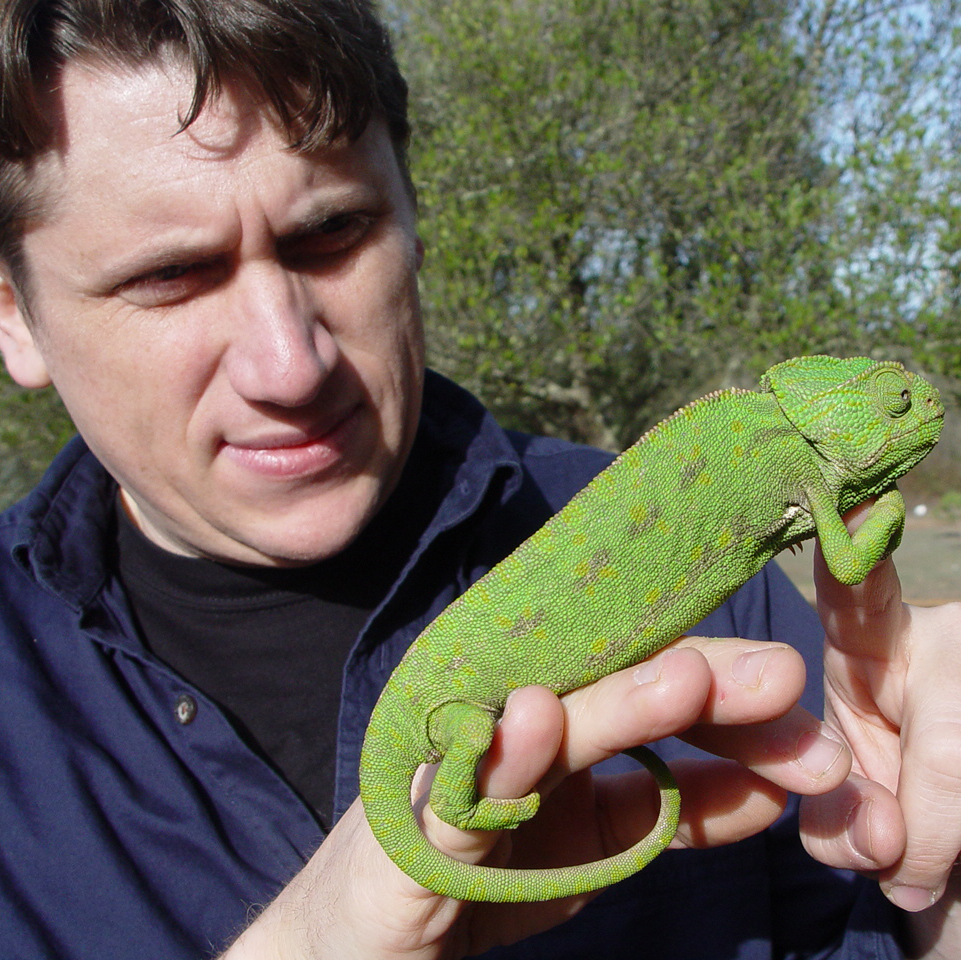
John J. Wiens is a Professor in the Department of Ecology and Evolutionary Biology at the University of Arizona. Prior to coming to Arizona in 2013, he was a professor in ecology and evolution at Stony Brook University in New York (2003–2012) and before that a curator of herpetology at the Carnegie Museum of Natural History in Pittsburgh (1995–2002). He obtained his Ph.D. at the University of Texas at Austin (1995), and his B.S. at the University of Kansas (1991), studying systematics of reptiles and amphibians. He grew up in Colorado, U.S.A. He has published >250 scientific papers and has served as an Associate Editor for several journals (e.g. American Naturalist, Ecography, Ecology Letters, Evolution, Systematic Biology) and as Editor-in-Chief of the Quarterly Review of Biology. He studies many topics in evolutionary biology, ecology, and conservation, including the evolutionary origins of species richness patterns and the impacts of climate change.
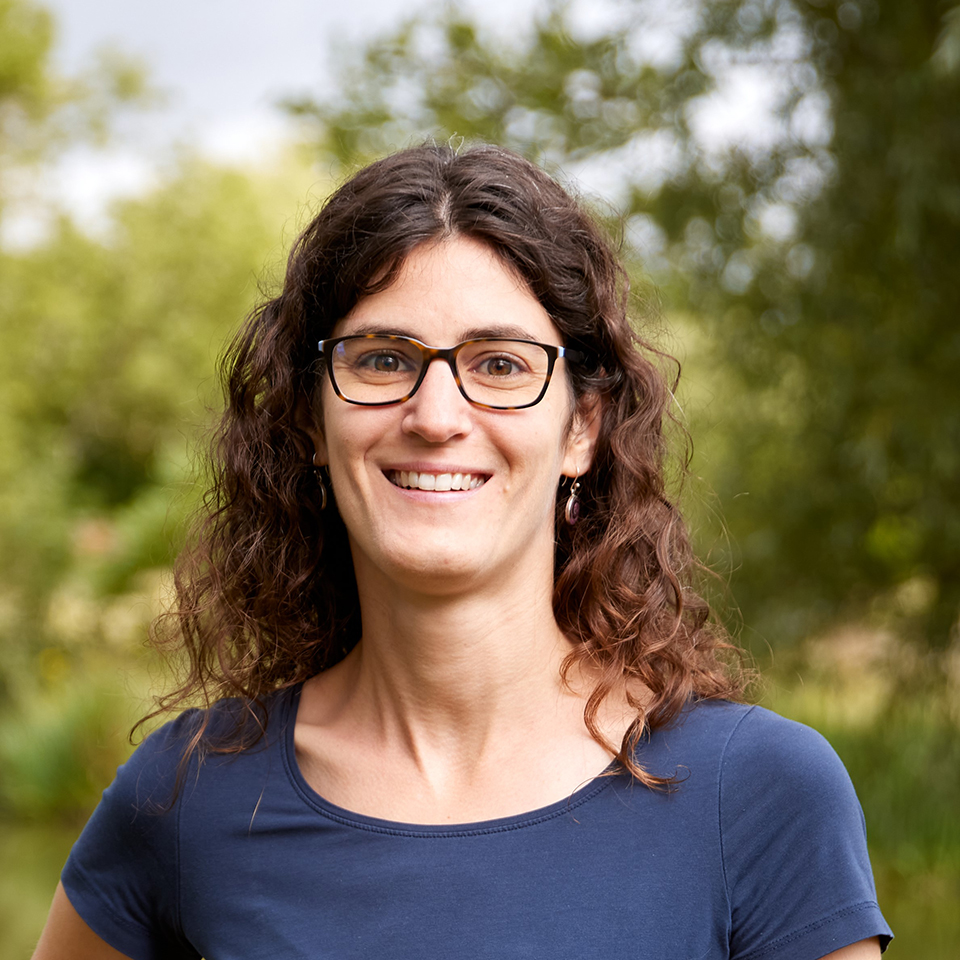
Joana Meier studies why the species richness is so unevenly distributed across the tree of life, particularly how hybridisation and chromosomal rearrangements affect rapid species radiations. After a PhD and postdoc at the University of Bern in Switzerland on cichlid fish speciation, she held two concurrent fellowships at the University of Cambridge in the UK, working on butterfly speciation. Since 2022, she has been leading a group at the Wellcome Sanger Institute, combining a group leader position with a Royal Society URF. Her research team focuses on rapid speciation in butterflies and peacock spiders, and she also leads large collaborative sequencing projects like Project Psyche – sequencing reference genomes of all Lepidoptera found in Europe.
https://www.sanger.ac.uk/group/meier-group
n the Plasmid Biology and Evolution (PBE) lab we are interested in the evolutionary forces that drive plasmid dynamics in bacterial populations. Plasmids play a crucial role in bacterial ecology and evolution because they can transfer genes horizontally between different bacteria. The most striking example of how plasmids drive bacterial evolution is the global spread of plasmid-mediated antibiotic resistance over the last few decades. In our group we try to understand the population genetics of antibiotic resistance plasmids using advanced molecular and evolutionary techniques. Ultimately, we intend to apply the concepts that we learn from the study of the evolution of plasmid-mediated antibiotic resistance to develop more rational intervention strategies to control infectious diseases.
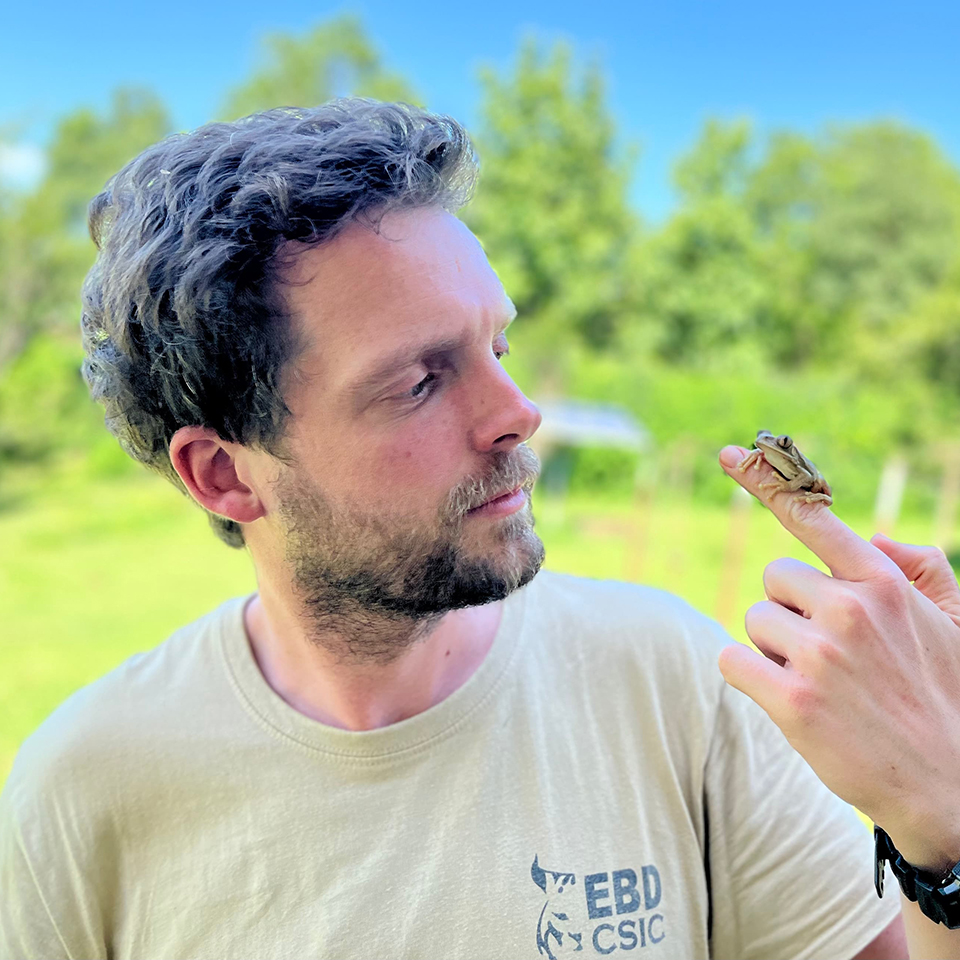
Christoph is a researcher at the Biological Station of Doñana – CSIC, in Seville. He is interested in the evolution of amphibian life history and development, specifically the origin and propagation of phenotypes and phylogenetic lineages. His research addresses evolutionary questions at different scales: looking both at interspecific phylogenetic patterns as well as the intraspecific molecular mechanisms that underlie and regulate phenotypes. As such his work spans different disciplines, including comparative phylogenetics, experimental ecology and genomics. Most recently, he is interested in how genomes are transcribed as functions of the environment to generate plastic phenotypes. As remnants of his PhD, he has maintained a keen interest in the systematics and biogeography of African amphibians as well.
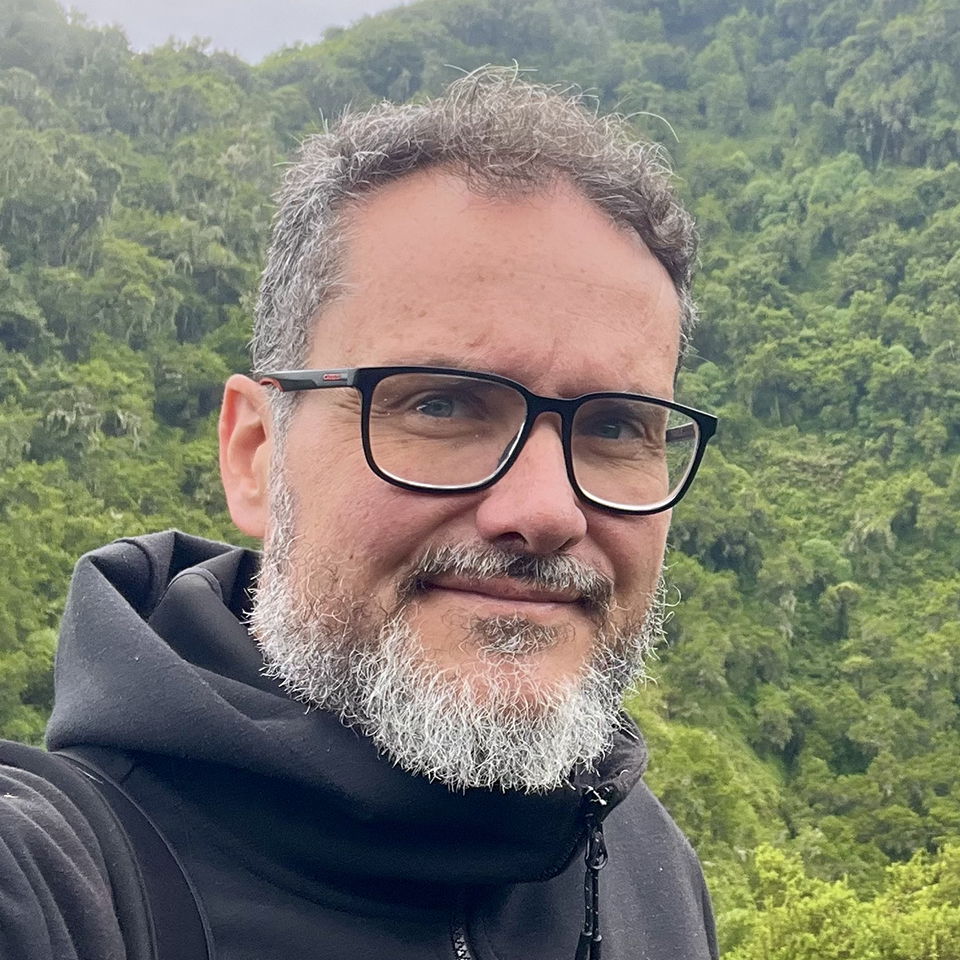
Joan Garcia-Porta is an evolutionary biologist interested in understanding how organisms persist, adapt, and diversify in novel environments. His research focuses on three main areas: adaptation to climate change, global-scale diversification, and evolution in insular systems. More recently, his work has turned toward understanding how behavioral and cognitive traits influence evolutionary processes. He combines molecular phylogenetics, functional morphology, spatial ecology, and genomics. He earned his degree in biology from the Autonomous University of Barcelona and completed his PhD at the Institute of Evolutionary Biology (CSIC–UPF). He has held research positions in Belgium, Australia, and the U.S. Since April 2023, he leads his own research group at the Universidad Complutense de Madrid, funded by the “Atracción de Talento Investigador” program from Comunidad de Madrid.
- Professional website and/or social media link
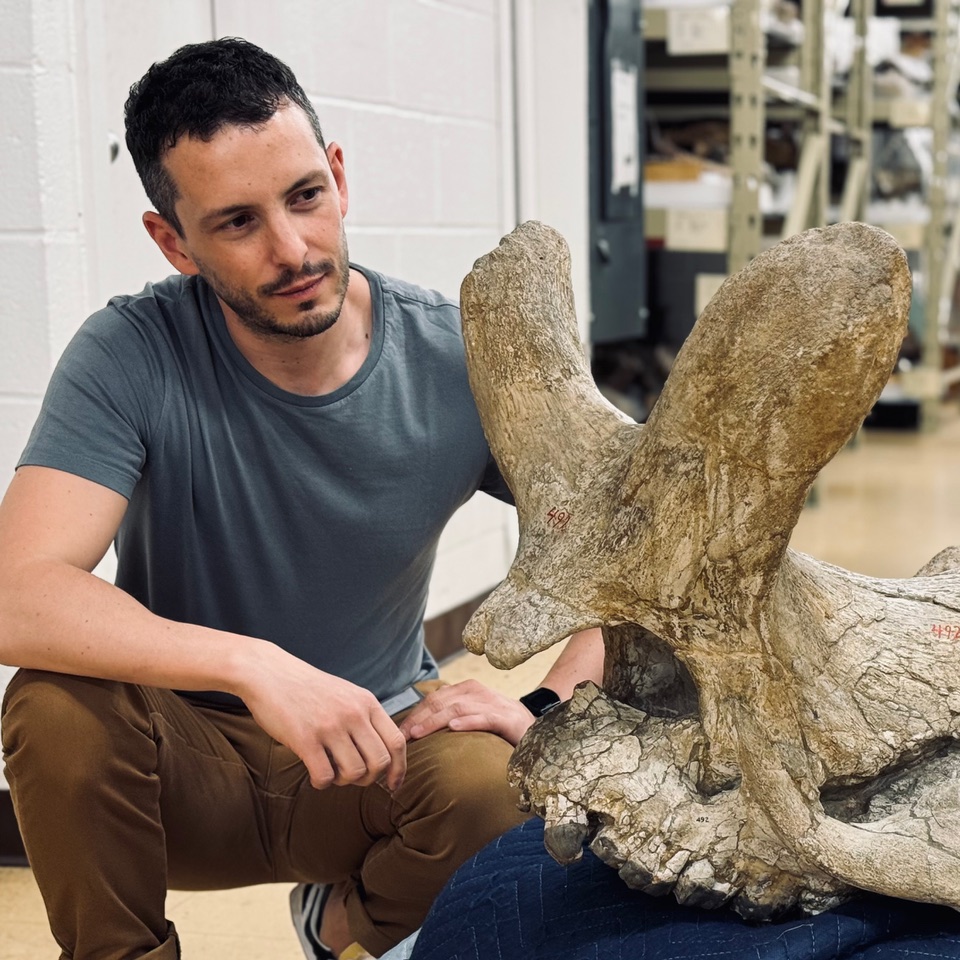
Juan L. Cantalapiedra is an evolutionary paleobiologist at the National Museum of Natural Sciences (MNCN-CSIC) in Madrid. His research centers on macroevolutionary patterns in mammals, with a focus on large terrestrial herbivores. He combines fossil data with phylogenetic and diversification models to investigate how phenotypic and ecomorphological evolution shape species proliferation and extinction. His work also addresses broad-scale patterns of faunal evolution, including the decoupling of taxonomic and ecological turnover and the long-term restructuring of trophic networks over tens of millions of years.
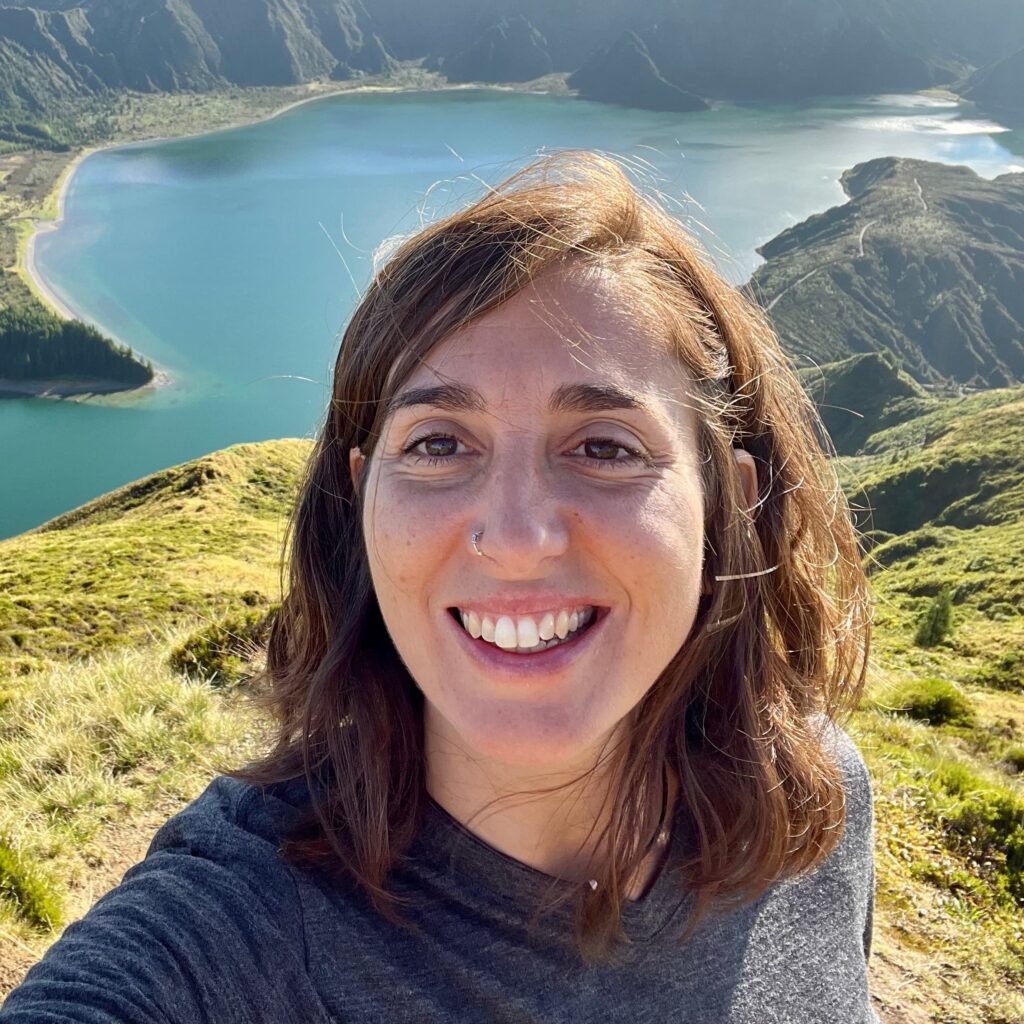
Aida is an evolutionary biologist at the National Museum of Natural Sciences (MNCN-CSIC) in Madrid. She studies the diversity and evolution of marine invertebrates, focusing on how novel traits arise, how evolution repeats itself across lineages and how molecular and cellular innovations shape biodiversity. Her research examines the genetic bases of convergent traits—such as venom and bioluminescence—investigating the genes, pathways and cell types that drive these adaptations and how they influence species diversification. She combines comparative genomics, transcriptomics, proteomics, phylogenetics and morphology with emerging -omics approaches, including single-cell RNAseq and spatial transcriptomics, to study novelty and convergence across multiple organization levels, from gene families, to cell types and tissues. She is currently using venomous ribbon worms as models to explore how novel venom cell types arise, how toxins evolve, and the broader evolutionary processes shaping functional convergence.
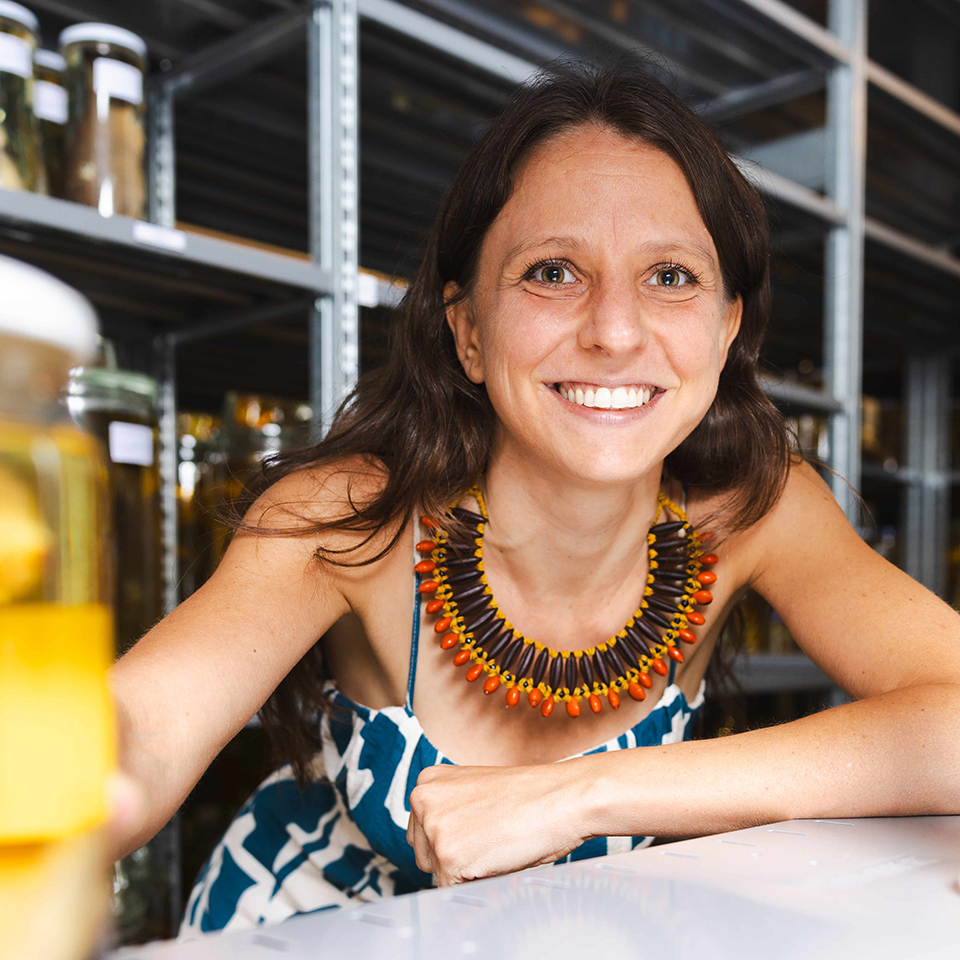
Anne-Claire Fabre is an evolutionary biologist and functional morphologist focusing on shape evolution in an ecological context across vertebrate systems. Her research on micro- and macro-evolution integrates a wide range of biological disciplines. She aims to understand the evolution of morphology in space and time in relation to its development, function, ecology, behaviour, and changes in the environment. To
do so, she integrates cross-disciplinary approaches such as functional morphology, evolutionary biology, behaviour, imaging, geometric morphometrics, biomechanics, phylogenetic comparative analyses, https://anne-claire-fabre.weebly.com/and spatial modelling on large comparative datasets coupled to the quantification of ecology of animals in their natural environment.
Programme
Wednesday 21st
8:30-9:30
Registration
9:30-10:30
Welcome speech and Plenary Talk:
John J. Wiens (University of Arizona)
KN1 Evolutionary biology in a world on fire.
10:30-13:30
Session 1: Microbial Evolution
Chair: Rosario Gil
10:30-11:00
Invited speaker: Álvaro San Millán (Centro Nacional de Biotecnología en Madrid)
S1.IS Evolution of plasmid-mediated antimicrobial resistance in bacteria.
11:00-11:45
Coffee break
11:45-13:30
Oral communications
Microbial Evolution
11:45-12:00
Daniel Tamarit (Utrecht University)
S1.O1 The archaeal roots of eukaryotes and the complex history of Asgard archaeal tubulins.
12:00-12:15
Saioa Manzano-Morales (Barcelona Supercomputing Center)
S1.O2 Phylogenomics of Asgard archaea reveals a unique blend of prokaryotic-like horizontal transfer and eukaryotic-like gene duplication.
12:15-12:30
Paula Ruiz Rodriguez (I2SYSBIO)
S1.O3 Pangenomics reveals determinants of ecotype divergence in the Mycobacterium tuberculosis complex.
12:30-12:45
Andrea Sánchez Serrano (Fundación FISABIO)
S1.O4 Evolutionary analysis of mtr mosaic-carrying Neisseria gonorrhoeae lineages in the Valencian Region, Spain.
12:45-13:00
Guifré Torruella (Institut De Biologia Evolutiva)
S1.O5 Biodiversity of neglected flagellated protists in the tree of eukaryotes.
13:00-13:15
Jaime Iranzo (Centro de Astrobiología (CSIC - INTA))
S1.O6 Defense systems in mobile genetic elements: why there and who benefits from them?
13:15-13:30
Miguel Morard (IATA-CSIC)
S1.O7 Mitochondrial Heteroplasmy Underlies Phenotypic Variation in Homozygous Saccharomyces.
13:30-15:30
Lunch
15:30-17:30
Session 2: Evo-Devo
Chair: Isabel Almudí
15:30-16:00
Plenary session: Christoph Liedtke -EBD-CSIC (Sevilla)
S2.IS Go Big, Go Dark or Get Out: The transcriptomic playbook for tadpole survival.
16:00-17:30
Oral communications
Evo-Devo
16:00-16:15
Ana Riesgo (Museo Nacional de Ciencias Naturales (CSIC), Madrid, Spain)
S2.O1 Diverse Sex Determination Systems and Ancient Origins of Reproductive Genes in Sponges.
16:15-16:30
Nuria Flames (IBV-CSIC, Spain)
S2.O2 Gene regulatory mechanisms underlying evolutionary adaptations of homologous neuronal cell types.
16:30-16:45
Israel Campo Bes (CRG (Centro de Regulacion Genomica), Spain)
S2.O3 Evolutionary landscapes of the maternal-to-zygotic transition across Metazoa.
16:45-17:00
Amaia Alcalde Anton (University of Bristol, UK)
S2.O4 How to build a bigger brain? The cellular basis of expanded mushroom bodies in Heliconius butterflies.
17:00-17:15
Manuel Fernández-Moreno (Universitat de Barcelona)
S2.O5 Settling down: acquisition of neural regulation by a co-opted retrotransposon.
17:15-17:30
Emilio Petrone-Mendoza (Department of Biology, University of Naples Federico II)
S2.O6 Are dumbbell-shaped stomata in grasses a true novelty? Insights from the sedge family (Cyperaceae).
17:30-19:30
Poster Session 1 with Drinks & Bites
19:30-21:30
Welcome Reception
Thursday 22nd
09:00-11:15
Session 3: Evolutionary Ecology and Ethology
Chair: Roberto García Roa
09:00-09:30
Plenary session: Joan García Porta - UCM (Madrid)
S3.IS Smart Moves: How Does Cognition Shape Evolution?
09:30-11:15
Oral communications
Evolutionary Ecology and Ethology
09:30-09:45
María Dolores Barón Rodríguez (Estación Experimental de Zonas Áridas (EEZA-CSIC))
S3.O1 Phylosymbiosis in birds: the case of hoopoes, woodhoopoes and hornbills.
09:45-10:00
Grabiella Cruz (Universidad Autónoma de Madrid, Spain)
S3.O2 Contrasting eco-evolutionary patterns of host immunity and bacterial virulence in zoonotic networks.
10:00-10:15
Ana Marquez Rosado (University of Liverpool)
S3.O3 Sexually selected sperm ornamentation signals survival and sterility after heatwaves.
10:15-10:30
Ramón Vigo (Centro de Investigación Mariña - Universidade de Vigo, Spain)
S3.O4 Nature the Painter: eco-evolutionary processes in a shell color cline.
10:30-10:45
Riccardo Ton (University of Valencia, Spain)
S3.O5 Evolutionary constraints on metabolic sensitivity among songbirds’ eggs in a warming planet. Who will pay the price?
10:45-11:00
Javier Abalos (University of Valencia, Spain)
S3.O6 Repeated evolution of a sexually selected syndrome in wall lizards?
11:00-11:15
Rafael Rico-Millan (Doñana Biological Station – CSIC, Spain)
S3.O7 Evolutionary divergence in developmental rate across Pelobates cultripes populations.
11:15 - 11:45
Coffee break
11:45 – 14:00
Session 4: Palaeobiology and Palaeoanthropology
Chair: Francisco J. Serrano
11:45 – 12:15
Plenary session: Juan Cantalapiedra - MNCN (Madrid)
S4.IS What fossil mammals teach us about evolution.
12:15 – 14:00
Oral communications
Paleobiology & Paleoanthropology
12:15 – 12:30
Humberto Ferrón (University of Valencia, Spain)
S4.O1 Unoccupied adaptive peaks challenge constraint-based models of early vertebrate evolution.
12:30 – 12:45
Borja Figueirido (University of Málaga, Spain)
S4.O2 Vertebral column evolution in Sirenia (Mammalia, Afrotheria).
12:45 – 13:00
Eduard Ocaña-Pallarès (Fundació per a la Universitat Oberta de Catalunya, Spain)
S4.O3 Novel insights on the origin of Fungi and fungi-plant interactions from a timetree dated with fossils and horizontal gene transfers.
13:00 – 13:15
Guillermo Rodríguez-Gómez (Complutense University of Madrid, Spain)
S4.O4 Ecological conditions during Marine Isotope Stage 3 (MIS 3) and human settlement in Europe.
13:15 – 13:30
Jaime López Galán (University of Valencia, Spain)
S4.O5 Philogenetic Contingency vs Adaptive Directionality: the Evolution of Giant Pelagic Filter-Feeding Vertebrates.
13:30 – 13:45
Iris Menéndez (National Museum of Natural Sciences (MNCN-CSIC))
S4.O6 Macroevolutionary dynamics of North American squirrels driven by grassland expansion.
13:45 – 14:00
Javier Castro Terol (Universidad de Málaga, Facultad de Ciencias, Dpto. Ecología y Geología)
S4.O7 Tracing bird humeral disparity through deep time.
14:00 – 15:30
Lunch
15:30 – 16:30
Session 5 Pere Alberch
15:30 – 16:00
Plenary Pere Alberch: Laia Marin-Gual (Departament de Biologia Cel·lular, Fisiologia i Immunologia, Universitat Autònoma de Barcelona, Cerdanyola del Vallès, Spain)
S5.IS Looping through evolution: divergent 3D genome architecture of male germ cells across vertebrates.
16:00 – 16:30
Oral communications
Pere Alberch Session
16:00-16:15
Adrián Talavera (Institute of Evolutionary Biology (CSIC-Universitat Pompeu Fabra), Spain.)
S5.O1 Genomic applications to the study of Western Mediterranean amphibians and reptiles.
16:15-16:30
Lucía Álvarez-González (Departament de Biologia Cel·lular, Fisiologia i Immunologia, Universitat Autònoma de Barcelona, Spain).
S5.O2 From bricks to towers: A tale of mammalian genomes 3D architecture.
16:30 – 17:00
SESBE 20th anniversary
17:00 – 18:30
Poster Session 2 with Drinks & Bites
18:30 – 20:00
Social Event
Visit to Valencia Centre
Friday 23rd
09:00 – 12:00
Session 6: Evolutionary Genetics & Omics
Chair: Jaume Pellicer
9:00 – 9:30
Plenary session: Aida Verdes - MNCN (Madrid)
S6.IS Novelty and conservation in the evolution of animal venoms.
9:30 – 10:45
Oral Communications
Evolutionary Genetics & Omics
9:30 – 9:45
Álvaro Pita Ramírez (Laboratori de Ictiologia Genética, Universitat de Girona)
S6.O1 Genomic insights into the evolutionary structure of Iberian brown trout (Salmo trutta) lineages.
9:45 – 10:00
Juan Esteban Uribe (Università degli Studi di Milano Statale, Italy)
S6.O2 Population genomics of Ixodes ricinus (Ixodidae), the main vector of Lyme borreliosis agents in Europe.
10:00 – 10:15
Rosario Gil (University of Valencia, Spain)
S6.O3 Symbiotic Regulation through Extracellular Vesicles: Insights from the Blattella–Blattabacterium Model.
10:15 – 10:30
Mar Llaberia-Robledillo (Cavanilles Institute of Biodiversity and Evolutionary Biology, University of Valencia, Spain)
S6.O4 Co-Genomic Insights into Host–Parasite Coevolution Across Postglacial Lake Systems.
10:30 – 10:45
Francisco Perfeccti (University of Granada, Spain)
S6.O5 Local temperature alone produces a phenotypic change and modulates the transcriptomic landscape of floral phenotypic plasticity in Moricandia arvensis.
10:45 – 11:30
Coffee Break
11:30 – 12:00
Oral Communications
Evolutionary Genetics & Omics
11:30 – 11:45
Sergi Taboada (National Museum of Natural Sciences (MNCN-CSIC))
S6.O6 Whole Genome Sequencing reveals population structure and adaptation of the deep-sea sponge Phakellia ventilabrum in the Northeast Atlantic and Mediterranean Sea.
11:45 – 12:00
Moisès Bernabeu (Barcelona Supercomputing Center)
S6.O7 Diverse origins of the ancestral eukaryotic genome reveal multiple interactions during eukaryogenesis.
12:00-13:30
SESBE Assembly Meeting & Next Conference
13:30-15:30
Lunch
15:30 – 17:30
Session 7: Macroevolution & Speciation
Chair: Juan Cantalapiedra
15:30 – 16:00
Plenary session: Anne-Claire Fabre - NMBE (Bern, Switzerland)
S7.IS The Metamorphic Blueprint: How life cycle type shapes salamander diversity.
16:00 – 17:30
Oral Communications
Macroevolution & Speciation
16:00 – 16:15
Cristian Cañestro (Universitat de Barcelona, Spain)
S7.O1 Scrambled genomes, stable morphologies: The paradox of Oikopleura dioica cryptospecies decoupling genome architecture reorganization from macroevolutionary change.
16:15 – 16:30
Héctor Tejero Cicuéndez (Museum für Naturkunde)
S7.O2 The role of aridity in shaping niche breadth and phylogenetic clustering in tetrapods.
16:30– 16:45
David Peris Navarro (IATA-CSIC & UiO)
S7.O3 Can we define microbial species? Insights from the Saccharomyces genus.
16:45 17:00
Elizabeth Steell (Girton College, University of Cambridge)
S7.O4 Revealing patterns of homoplasy in discrete phylogenetic datasets with a new cross-comparable index.
17:00-17:15
Sergio Martínez Nebreda (Johns Hopkins University)
S7.O5 A fruitful constraint in deep time: the diversification of amniote skull.
17:15-17:30
Guillermo Navalón (Universidad de Alcalá)
S7.O6 Transformation of the labyrinth and occiput during the bird origins.
17:30 – 18:00
Coffee break
18:00 – 19:00
Clausure Keynote:
Joana Meier - Wellcome Sanger Institute, UK
KN2 The roles of hybridisation and chromosomal rearrangements in rapid speciation.
21:30
Conference Dinner